Signing your first lease is a milestone. Whether you are a student, a young professional or someone who has just moved to the United States, renting an apartment can feel confusing. Landlords ask for paperwork you may not have, deposits and fees add up quickly, and leases are full of legal language. This guide walks you through the process step by step so you can move in with confidence.
Step 1: Set a Realistic Budget
A common rule of thumb is that rent should take no more than about 30% of your gross monthly income. Many landlords use a similar test, requiring your income to be at least three times the monthly rent. Remember to budget for more than rent alone:
- Utilities: electricity, gas, water, internet
- Renters insurance, usually $10–$25 per month
- Parking, pet rent or amenity fees
- Moving costs and basic furniture
Step 2: Prepare Your Documents
Good apartments go fast, so have your paperwork ready before you start viewing.
| Document | Why landlords ask for it | Alternatives if you don’t have it |
|---|---|---|
| Photo ID | Verify your identity | Passport for newcomers |
| Proof of income | Show you can pay rent | Offer letter, bank statements, scholarship letter |
| Credit report | Check payment history | Larger deposit, prepaid rent or a guarantor |
| Rental history / references | Confirm you were a reliable tenant | Employer or personal references |
| Social Security Number | Run credit and background checks | ITIN or international tenant screening services |
If you have little or no US credit history, a co-signer or a professional guarantor service can make approval much easier.
Step 3: Understand Deposits and Fees
Expect several upfront costs when you apply and sign:
- Application fee: typically $25–$75 per adult to cover screening.
- Security deposit: often equal to one month’s rent; some states cap the amount.
- First month’s rent: due at signing or on move-in day.
- Other fees: pet deposits, admin fees or, in some cities, broker fees.
Your security deposit is refundable if you leave the apartment in good condition. State law usually sets a deadline, often 14 to 30 days after move-out, for the landlord to return it or provide an itemised list of deductions.
Step 4: Read the Lease Carefully
A lease is a legal contract. Before signing, check:
- Lease length and what happens if you leave early
- Rent due date, accepted payment methods and late fees
- Who pays which utilities
- Rules on pets, guests, subletting and smoking
- How maintenance requests are handled
- Renewal terms and notice periods
Step 5: Document the Apartment on Move-In Day
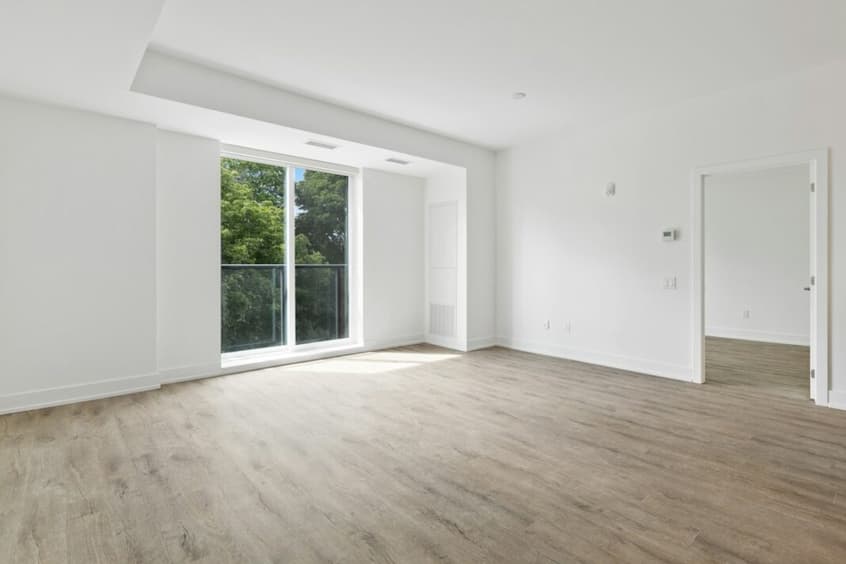
Walk through the apartment with the landlord if possible and complete a move-in checklist. Take dated photos and videos of every room, including scratches, stains, appliances and windows. Email copies to your landlord. This simple step is your best protection when it is time to get your deposit back.
Common Mistakes First-Time Renters Make
- Paying before seeing the apartment. Rental scams are common; never wire money for a place you have not viewed or verified.
- Skipping renters insurance. The landlord’s policy does not cover your belongings.
- Ignoring the neighbourhood. Visit at different times of day and check commute times.
- Overstretching the budget. Leave room for savings and emergencies.
- Not reading the fine print. Early termination fees can be expensive.
Managing Money After You Move In
Once the lease is signed, the real challenge is keeping finances steady month after month. Set up autopay for rent, track utilities and keep an emergency fund of at least a few months’ rent. New renters are often tempted by the freedom of living alone and spend more on takeout, streaming, shopping and online entertainment, whether that is gaming subscriptions or a night at a 1red casino. Any of these can fit into a healthy budget, but only after rent, bills and savings are covered. Missing even one rent payment can lead to late fees and damage your rental history.
Know Your Rights
Tenant rights vary by state and city, but most areas protect against discrimination, require landlords to keep apartments habitable and set rules for entry and evictions. Local tenant unions and housing authorities can explain your rights for free.
Conclusion
Renting your first apartment in the US is much easier with preparation. Know your budget, gather your documents early, understand every fee, read the lease and document the apartment’s condition. With these steps, your first home can be the start of a stable and stress-free new chapter.